
Introduction
In the world of aviation, the Auxiliary Power Unit (APU) is an essential component that often goes unnoticed by passengers. Yet, without it, many of the comforts and systems we rely on during flights would not function. From providing power on the ground to serving as a backup system in the air, the APU plays a crucial role in ensuring flights run smoothly and safely.

What is an Auxiliary Power Unit (APU)?
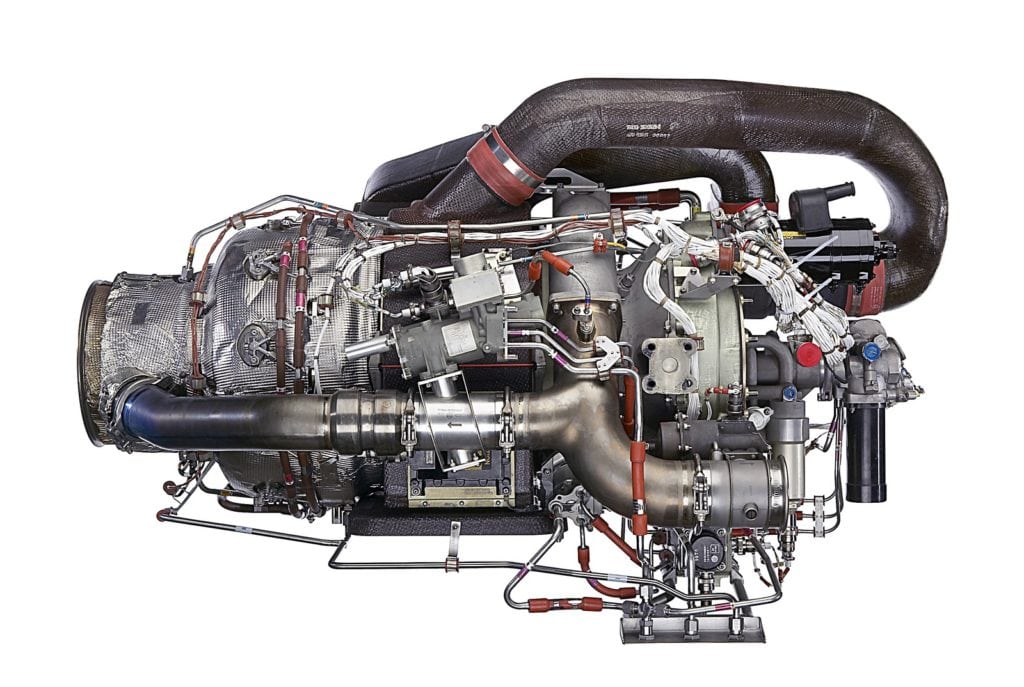
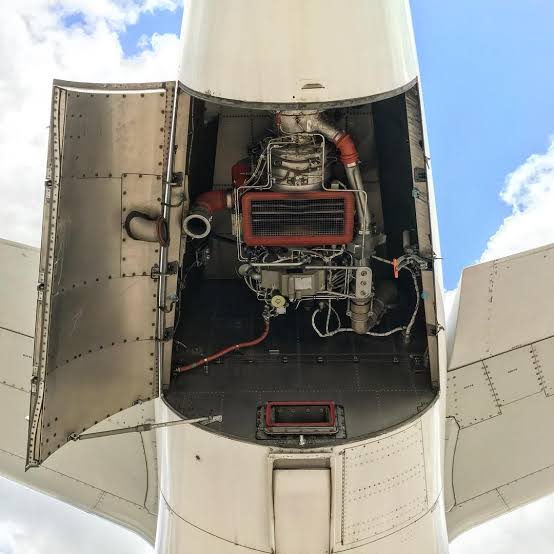
The Auxiliary Power Unit (APU) is a small gas turbine engine located typically at the tail of the aircraft. It’s responsible for providing energy to various systems when the main engines are not operational. Essentially, the APU allows an aircraft to function independently of ground power and can start the main engines without external assistance.
How Does an APU Work?
The APU operates similarly to a jet engine but on a smaller scale. It burns fuel to produce power, which is then used to run electrical systems and air conditioning units, especially when the aircraft is on the ground. Once the main engines are running, the APU can be shut down, as the primary engines then take over these functions.
Functions of the APU in Air
Even while airborne, the APU remains a vital component. Its primary functions include:
- Powering Systems During Flight: The APU provides electrical power to various onboard systems, especially during times when the main engines might be idling or running at reduced power.
- Backup Power for Essential Systems: In the event of an engine failure or other emergency situations, the APU serves as a backup, ensuring critical systems like avionics and lighting continue to function.
Functions of the APU on the Ground
Before takeoff, the APU is indispensable for several ground operations:
- Pre-Flight Power Supply: The APU powers the aircraft’s systems, allowing the crew to perform checks, run diagnostics, and prepare the cabin without relying on ground-based power sources.
- Environmental Control Systems: Air conditioning and cabin pressurization systems rely on the APU to maintain a comfortable environment for passengers while on the ground.
Penalties if APU is Not Functioning
Regulatory bodies like the FAA have strict rules regarding the functionality of an APU. If an APU fails to operate, airlines can face significant penalties. These can range from fines to flight delays and cancellations. Moreover, a non-functional APU can lead to increased reliance on ground power, which can disrupt airport operations.

Load on the APU
The load on an APU depends on various factors:
- Power Demand and Efficiency: Depending on the aircraft’s size and the systems in use, the APU might be under more strain. For example, larger aircraft with more extensive onboard systems require more power.
- Factors Affecting APU Load: Environmental conditions, such as extreme temperatures, can also impact the APU’s efficiency and performance, increasing the load on the unit.
Prices of APUs for Various Aircraft
The cost of an APU can vary significantly depending on the aircraft type:
- Cost Variations by Aircraft Type: For smaller aircraft, APUs may cost anywhere from $100,000 to $300,000, while for larger commercial jets, prices can soar upwards of $500,000 or more.
- Factors Influencing APU Pricing: The age of the APU, technological advancements, and brand can also affect the overall cost.
Repairing Costs of APU
Repairing an APU is a complex task and can be quite expensive:
- Typical Repair Expenses: Routine repairs can range from $20,000 to $100,000, depending on the extent of the damage and parts required.
- Factors Influencing Repair Costs: The cost also depends on the availability of spare parts, the complexity of the repair, and labor charges at different facilities.
Where Do Airlines Get APU Repairs?
Airlines typically turn to specialized maintenance, repair, and overhaul (MRO) facilities for APU repairs:
- Major Repair Providers: Companies like Lufthansa Technik, Delta TechOps, and Honeywell Aerospace are some of the leading names in APU repair and maintenance.
- Choosing the Right Repair Facility: Airlines often choose a repair facility based on factors like turnaround time, cost, and reputation in the industry.
Steps if APU Fails During Flight
An APU failure during flight is rare but not unheard of. In such cases, pilots follow specific protocols:
- In-Flight Procedures: The first step is to assess the situation and determine the cause of the failure. If necessary, the crew will divert to the nearest airport for safety.
- Emergency Protocols: Pilots can also rely on alternate systems and, if needed, declare an emergency to prioritize landing.
Maintenance and Upkeep of the APU
Routine maintenance is crucial for the longevity of the APU:
- Routine Maintenance Practices: Regular inspections and component replacements ensure that the APU remains in top condition.
- Importance of Regular Check-Ups: Neglecting maintenance can lead to more significant issues, resulting in costly repairs and potential flight delays.
Technological Advancements in APU
The aviation industry is continually evolving, and so are APUs:
- Innovations in APU Design: Newer APUs are more fuel-efficient and environmentally friendly, reducing emissions and operational costs.
- Future Trends: The future of APU technology lies in hybrid systems that combine traditional fuel-based units with electric power sources.
Environmental Impact of APU Usage
While APUs are essential, they do have an environmental impact:
- Fuel Consumption and Emissions: APUs consume fuel and emit carbon dioxide, contributing to the overall carbon footprint of aviation.
- Eco-Friendly APUs: Manufacturers are developing greener APUs that minimize emissions and improve fuel efficiency, aligning with the industry’s sustainability goals.
In conclusion, the Auxiliary Power Unit (APU) is a critical component of modern aircraft, ensuring safety, comfort, and efficiency both on the ground and in the air. From powering essential systems to providing backup in emergencies, the APU’s role cannot be overstated. Proper maintenance, adherence to regulations, and staying updated with technological advancements are key to ensuring the APU’s longevity and reliability.
FAQs
- What happens if the APU fails during flight?
In the rare event of an APU failure during flight, pilots follow emergency protocols and may divert to the nearest airport if necessary. - How often should an APU be serviced?
APUs should undergo routine maintenance as per the manufacturer’s guidelines, typically after a set number of operational hours. - Can an aircraft take off without a functioning APU?
In most cases, no. A functioning APU is essential for powering systems during takeoff, though some smaller aircraft may have alternatives. - What factors influence the cost of APU repairs?
The extent of damage, availability of parts, and labor charges all play a role in determining the cost of APU repairs. - Are there eco-friendly alternatives to traditional APUs?
Yes, newer APUs are being developed with reduced emissions and improved fuel efficiency, contributing to the aviation industry’s sustainability efforts.
mostbet амнияти ҳисоб mostbet95163.help