The commercial aircraft manufacturing industry is dominated by two giants: Airbus and Boeing. These leading companies are at the forefront of aviation innovation, continuously developing advanced aircraft to meet the evolving needs of global air travel. In this comprehensive analysis, we will delve deeper into the products, historical background, technological advancements, market strategies, and future prospects of both Airbus and Boeing.Read Daily Blog Articles
Historical Background
Airbus
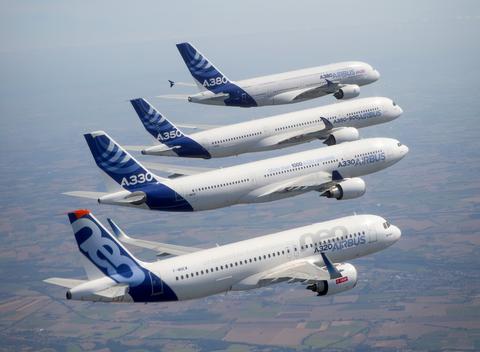
Airbus, a European multinational aerospace corporation, was founded in 1970 as a response to the increasing demand for more efficient and competitive commercial aircraft. The company initially struggled but gained prominence with the introduction of the Airbus A300, the world’s first twin-engine wide-body aircraft. Airbus’s commitment to innovation and its collaborative approach—working with entities across Europe—has made Airbus a formidable player in the global aviation market.
Boeing
Boeing, an American aerospace giant, has a much longer history, dating back to 1916. Founded by William Boeing, the company has been instrumental in shaping the aviation industry through pioneering aircraft designs and technological advancements. From the early days of biplanes to the development of the iconic Boeing 747, Boeing has consistently set benchmarks in aviation. The company’s resilience and adaptability have enabled it to maintain a dominant position in the market.
Product Comparison
Airbus
Airbus A320 Family
The Airbus A320 family is one of the most successful aircraft series in aviation history. It includes several variants, such as the A318, A319, A320, and A321, catering to different market needs.
- A320neo (New Engine Option):
The A320neo series is renowned for its enhanced fuel efficiency, reduced CO2 emissions, and quieter engines. These improvements are achieved through the use of advanced aerodynamics and state-of-the-art engines from suppliers like Pratt & Whitney and CFM International. The A320neo has quickly become a favorite among airlines for its operational efficiency and environmental benefits.
The A321XLR represents Airbus’s commitment to developing long-range narrow-body jets. It offers a maximum range of up to 4,700 nautical miles, making it ideal for transcontinental flights. Its efficient design enables airlines to operate longer routes with fewer passengers, thus opening new opportunities for direct flights between smaller markets.
The Airbus A350 XWB (Extra Wide Body) is a long-range, wide-body aircraft designed to provide exceptional passenger comfort and fuel efficiency.
- Innovative Design:
The A350 XWB features a state-of-the-art design, incorporating carbon fiber-reinforced polymer materials that result in a lighter and more durable airframe. This material reduces maintenance costs and improves fuel efficiency.
- Passenger Comfort:
The A350 XWB boasts a spacious cabin with wider seats, lower cabin altitude, and improved air quality, providing a more comfortable flying experience, especially on long-haul flights.

Boeing
Boeing 737 Family
The Boeing 737 family is one of the best-selling aircraft series in history. It includes various models, with the 737 MAX being the most recent iteration.
Despite initial setbacks involving two fatal crashes, the 737 MAX has been updated to meet rigorous safety standards. It offers significant improvements in fuel efficiency and passenger comfort through the use of advanced materials and modern engines like the LEAP-1B from CFM International.
- Fuel Efficiency and Comfort:
The 737 MAX employs advanced aerodynamics and lighter materials to enhance fuel efficiency. Its redesigned cabin offers larger overhead bins, mood lighting, and more comfortable seating arrangements, making it appealing to both passengers and airlines.
The Boeing 787 Dreamliner is a revolutionary wide-body aircraft known for its efficiency and advanced technologies.
- Design Innovations:
The Dreamliner utilizes a composite fuselage, which is lighter and more durable than traditional aluminum. This reduces fuel consumption and allows for longer, non-stop flights. The aircraft also features raked wing tips and advanced aerodynamics to further enhance performance.
- Passenger Experience:
The 787 Dreamliner is designed with passenger comfort in mind. It offers larger windows, improved cabin pressure, higher humidity levels, and enhanced air filtration systems. These features help reduce jet lag and improve overall travel experience, particularly on long-haul flights.
Market Strategies and Competition
Airbus’s Strategy
Airbus has strategically positioned itself by offering a diverse range of aircraft that cater to various market segments. Its focus on innovation, fuel efficiency, and passenger comfort has resonated well with airlines seeking to optimize their operations. Airbus’s collaborative approach, involving partnerships with suppliers and stakeholders across Europe, has also strengthened its supply chain and production capabilities.
Boeing’s Strategy
Boeing has adopted a market-driven approach, emphasizing rapid response to customer needs and technological advancements. The company leverages its extensive experience and strong brand reputation to maintain market share. Boeing’s aggressive marketing strategies and emphasis on building long-standing relationships with major airlines have contributed to its sustained success.
Technological Advancements
Sustainability and Environmental Initiatives
Both Airbus and Boeing are at the forefront of developing more environmentally friendly aircraft. As the aviation industry strives to reduce its carbon footprint, these companies are exploring alternative fuels, electric propulsion systems, and improved aerodynamics.
- Airbus is investing in hydrogen-powered aircraft, with plans to introduce zero-emission planes by 2035. The company’s ZEROe program is a testament to its commitment to sustainability.
- Boeing is also focusing on sustainable aviation fuels (SAF) and electric propulsion. The company has partnered with various stakeholders to develop and promote the use of SAF, which can significantly reduce carbon emissions.
Digitalization and Advanced Technologies
Digitalization and the integration of advanced technologies like Artificial Intelligence (AI) and the Internet of Things (IoT) are revolutionizing aircraft maintenance and operations.
- Predictive Maintenance:
Both Airbus and Boeing are implementing predictive maintenance systems that use AI and IoT to monitor aircraft health in real-time. This proactive approach helps detect potential issues before they become critical, reducing downtime and maintenance costs continue
, improving overall fleet reliability.
- Advanced Cockpit Systems:
Modern aircraft are equipped with advanced cockpit systems that enhance pilot situational awareness and reduce workload. Features such as head-up displays (HUDs), synthetic vision systems, and enhanced flight management systems (FMS) are integral parts of contemporary aircraft. These systems utilize advanced software and real-time data to facilitate safer and more efficient flight operations.
Future Developments in Aircraft Technology
The future of aircraft technology is set to incorporate even more groundbreaking advancements. Next-generation aircraft are expected to feature:
- Electric and Hybrid-Electric Propulsion:
The push for greener aviation has accelerated the development of electric and hybrid-electric propulsion systems. These systems aim to reduce reliance on fossil fuels and lower operational costs, while also cutting carbon emissions.
Several companies are exploring the return of supersonic passenger travel. Innovations in materials and engine technology could allow new supersonic jets to be quieter and more fuel-efficient than their predecessors, like the Concorde.
- Autonomous Flight:
Autonomous flight technology is rapidly advancing, with the potential to revolutionize commercial air travel. Drones and unmanned aerial vehicles (UAVs) are early examples, and the technology may eventually be adapted for passenger aircraft, enhancing safety and reducing pilot workload.
Challenges Facing the Aviation Industry
Despite the ongoing technological advancements, the aviation industry faces several significant challenges. Addressing these issues is crucial for sustainable growth and maintaining passenger confidence.
The aviation sector is under increasing pressure to reduce its environmental footprint. As air travel continues to grow, so do concerns about carbon emissions, noise pollution, and their effects on climate change. Both Airbus and Boeing are developing solutions, but achieving substantial reductions in emissions remains a long-term goal.
The airline industry is highly sensitive to economic fluctuations. Factors such as fuel price volatility, changing travel demand, and global economic instability can profoundly impact airlines’ profitability. Strategic planning and economic resilience are vital for mitigating these risks.
- Regulatory Compliance in Aviation:
Aviation is one of the most regulated industries globally, with stringent safety and environmental standards. Compliance with changing regulations requires significant investment in technology upgrades, staff training, and operational adjustments.
- Infrastructure Limitations:
As air traffic increases, airport infrastructure and air traffic control systems are often stretched to their limits. Modernization of these systems is essential to accommodate growth and ensure smooth, efficient operations.
Innovations in Passenger Experience
Enhancing the passenger experience is a key focus for airlines and aircraft manufacturers. Innovations aimed at improving comfort, convenience, and overall travel satisfaction continue to evolve.
Modern aircraft are equipped with advanced IFEC systems, offering passengers a variety of entertainment options, high-speed internet access, and personalized content. These features are particularly valuable on long-haul flights, contributing to a more enjoyable journey.
- Cabin Design:
Airlines are introducing thoughtful cabin designs that maximize comfort, such as lie-flat seats in business class, enhanced ergonomic seating, and more spacious economy class configurations. Improved lighting, quieter cabins, and customizable climate control also contribute to a better in-flight experience.
- Streamlined Boarding Procedures:
Innovations in boarding procedures, such as biometric boarding and automated check-in systems, help reduce wait times and streamline the boarding process. This not only enhances passenger convenience but also increases operational efficiency.
Collaboration and Future Prospects
Collaboration between industry stakeholders is vital for driving forward advancements and addressing challenges. Partnerships with technology firms, environmental organizations, and regulatory bodies are instrumental in shaping the future of aviation.
Looking ahead, the industry is poised for exciting developments. The ongoing pursuit of cleaner, more efficient technologies, coupled with a focus on enhancing the passenger experience, will define the next era of aviation. As Airbus and Boeing continue to innovate and compete, the future of air travel promises to be more sustainable, efficient, and passenger-centric.
The Role of Data and Analytics
In the modern aviation landscape, data and analytics play a pivotal role in optimizing operations and improving safety. Airlines and manufacturers rely on vast amounts of data generated from various sources, including aircraft sensors, maintenance records, and flight data to make informed decisions.
- Predictive Maintenance:
By analyzing data from aircraft sensors, airlines can predict potential maintenance issues before they arise. This approach reduces unexpected downtime, enhances safety, and lowers maintenance costs.
- Fleet Management:
Data-driven fleet management allows airlines to optimize the utilization of their aircraft. By analyzing flight patterns, passenger demand, and operational efficiency, airlines can make strategic decisions about scheduling, route planning, and fleet composition.
- Safety Enhancements:
Data analytics contribute to improved safety by identifying trends and potential risks. For example, analyzing flight data helps identify patterns in pilot behavior, which can be addressed through targeted training programs. Additionally, real-time monitoring of flight parameters can trigger alerts for any deviations from the norm, allowing for immediate corrective actions.
Embracing Sustainability
Sustainability remains a central focus for the aviation industry, with stakeholders working collectively to minimize environmental impacts. Efforts to embrace sustainability involve several key areas:
- Alternative Fuels:
Research into sustainable aviation fuels (SAFs) is gaining traction as a means to reduce carbon emissions. Airlines are investing in SAFs derived from renewable sources, which can significantly cut the carbon footprint compared to conventional jet fuel.
- Operational Improvements:
Implementing efficient operational practices, such as optimized flight routes and reduced idle times on the ground, contributes to lower fuel consumption and emissions. Airlines are also adopting more sustainable practices within airport operations and ground services.
- Collaboration and Policy Support:
Collaboration between airlines, manufacturers, regulatory bodies, and environmental organizations is essential for driving sustainability initiatives. Supportive policies and incentives from governments can accelerate the adoption of sustainable practices and technologies in the aviation industry.
The industry stands at the cusp of significant transformation, driven by advancements in technology, data analytics, and a relentless focus on sustainability. As Airbus and Boeing lead the charge in innovation, the future of air travel looks promising with more efficient, safer, and environmentally friendly solutions on the horizon. The collaboration among industry players will be key to overcoming challenges and ensuring that the benefits of these advancements are realized globally, ultimately defining the next chapter in the evolution of aviation.
The aviation industry is continually evolving, driven by technological advancements, market demands, and environmental concerns. Airbus and Boeing, as industry leaders, are at the forefront of these changes, shaping the future of air travel with their innovative approach to aircraft design and sustainability. As new technologies emerge and passenger expectations evolve, the competition between these two giants will likely spur further advancements, ultimately benefiting the global aviation landscape.
monopoly live demo monopoly live demo .